Home
Home Search
 Browse
  Download
 Manual
Details of Host Protein
| Host Protein General Information (ID: PT0501) | |||||||||
|---|---|---|---|---|---|---|---|---|---|
| Protein Name |
Heat shock 70 kDa protein 1B (HSPA1B)
|
Gene Name |
HSPA1B
|
||||||
| Host Species |
Homo sapiens
|
Uniprot Entry Name |
HS71B_HUMAN
|
||||||
| Protein Families |
Heat shock protein 7. family
|
||||||||
| Subcellular Location |
Cytoplasm; cytoskeleton; microtubule organizing center
|
||||||||
| External Link | |||||||||
| NCBI Gene ID | |||||||||
| Uniprot ID | |||||||||
| Ensembl ID | |||||||||
| HGNC ID | |||||||||
| Function in Host |
Molecular chaperone implicated in a wide variety of cellularprocesses, including protection of the proteome from stress, foldingand transport of newly synthesized polypeptides, activation ofproteolysis of misfolded proteins and the formation and dissociation ofprotein complexes. Plays a pivotal role in the protein quality controlsystem, ensuring the correct folding of proteins, the re-folding ofmisfolded proteins and controlling the targeting of proteins forsubsequent degradation. This is achieved through cycles of ATP binding, ATP hydrolysis and ADP release, mediated by co-chaperones. The co-chaperones have been shown to not only regulate different steps of theATPase cycle, but they also have an individual specificity such thatone co-chaperone may promote folding of a substrate while another maypromote degradation. The affinity for polypeptides is regulated by itsnucleotide bound state. In the ATP-bound form, it has a low affinityfor substrate proteins. However, upon hydrolysis of the ATP to ADP, itundergoes a conformational change that increases its affinity forsubstrate proteins. It goes through repeated cycles of ATP hydrolysisand nucleotide exchange, which permits cycles of substrate binding andrelease. The co-chaperones are of three types: J-domain co-chaperonessuch as HSP40s (stimulate ATPase hydrolysis by HSP70), the nucleotideexchange factors (NEF) such as BAG1/2/3 (facilitate conversion of HSP70from the ADP-bound to the ATP-bound state thereby promoting substraterelease), and the TPR domain chaperones such as HOPX and STUB1. Maintains proteinhomeostasis during cellular stress through two opposing mechanisms:protein refolding and degradation. Its acetylation/deacetylation statedetermines whether it functions in protein refolding or proteindegradation by controlling the competitive binding of co-chaperonesHOPX and STUB1. During the early stress response, the acetylated formbinds to HOPX which assists in chaperone-mediated protein refolding, thereafter, it is deacetylated and binds to ubiquitin ligase STUB1 thatpromotes ubiquitin-mediated protein degradation. Regulates centrosome integrity during mitosis, and is required for themaintenance of a functional mitotic centrosome that supports theassembly of a bipolar mitotic spindle. EnhancesSTUB1-mediated SMAD3 ubiquitination and degradation and facilitatesSTUB1-mediated inhibition of TGF-beta signaling. Essential for STUB1-mediated ubiquitination and degradation of FOXP3 inregulatory T-cells (Treg) during inflammation.
[1-3]
Click to Show/Hide
|
||||||||
| Related KEGG Pathway | |||||||||
| Antigen processing and presentation | hsa04612 |
Pathway Map 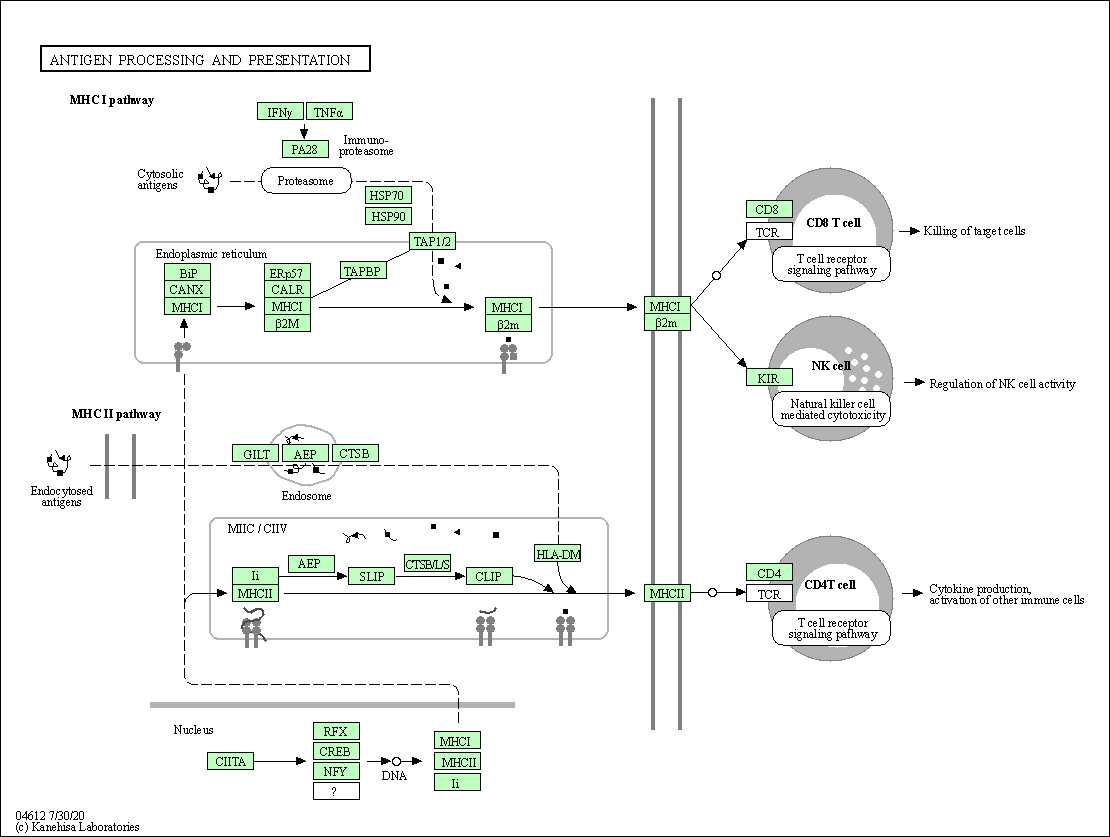
|
|||||||
| Measles | hsa05162 |
Pathway Map 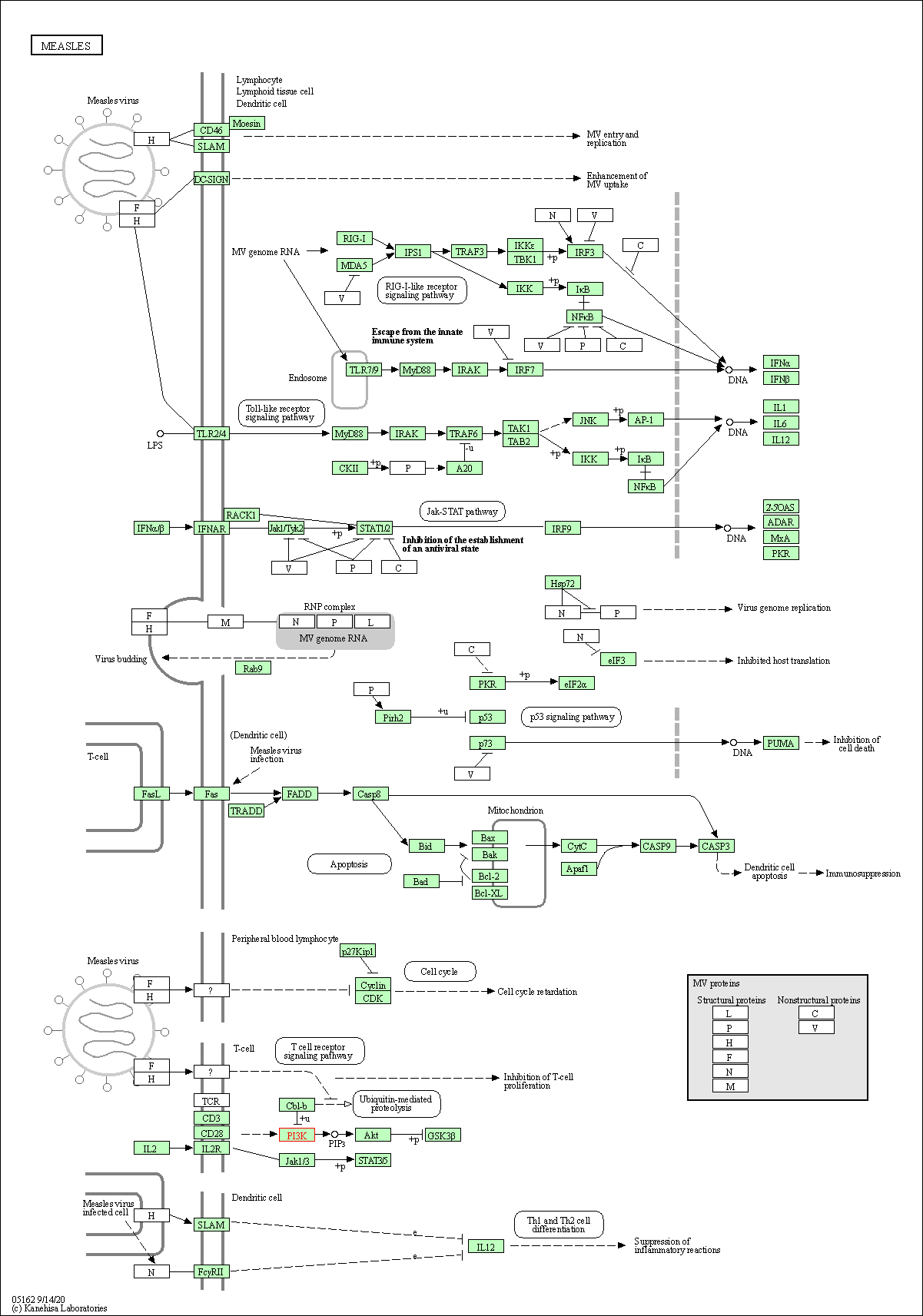
|
|||||||
| Legionellosis | hsa05134 |
Pathway Map 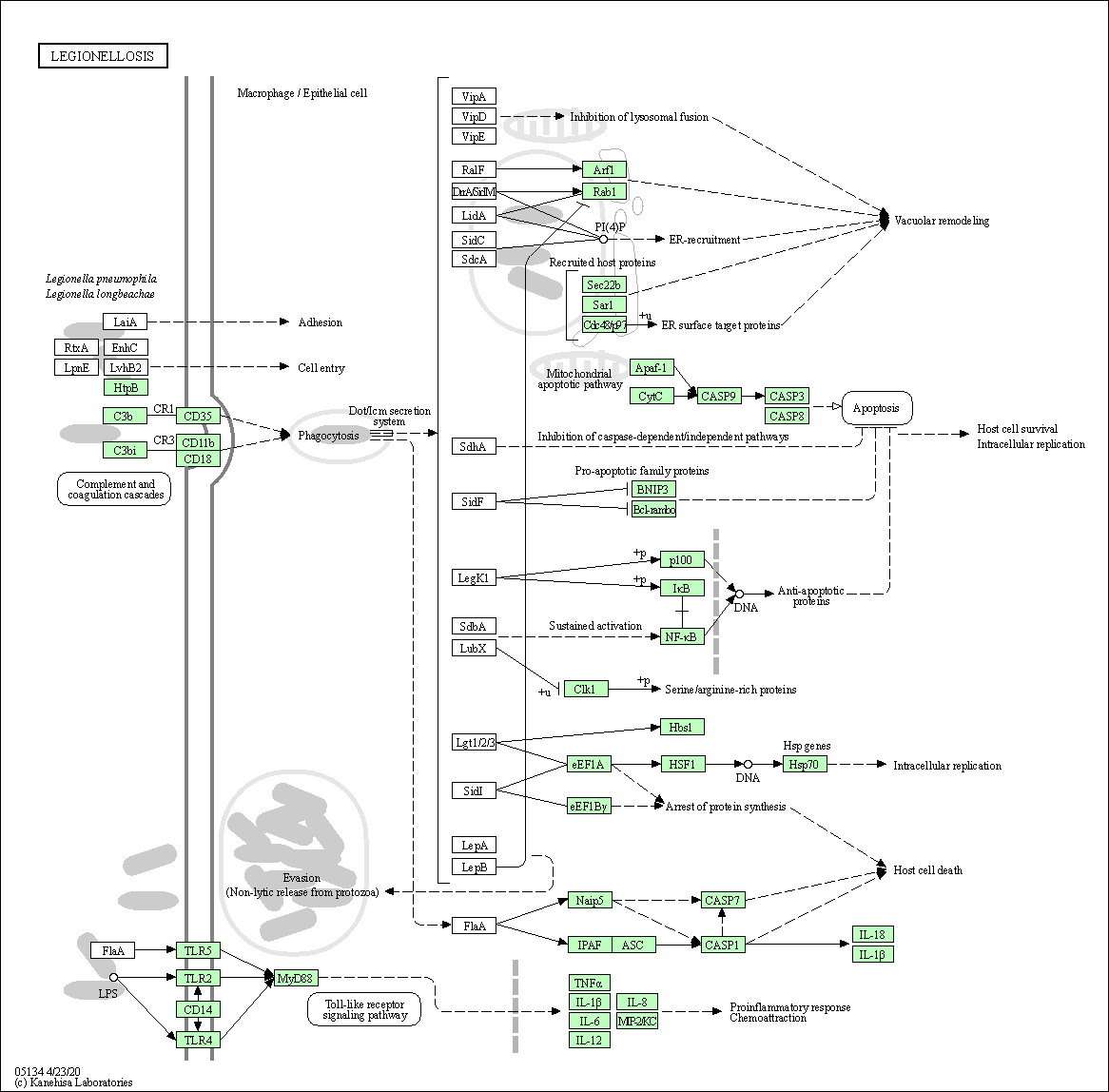
|
|||||||
| Toxoplasmosis | hsa05145 |
Pathway Map 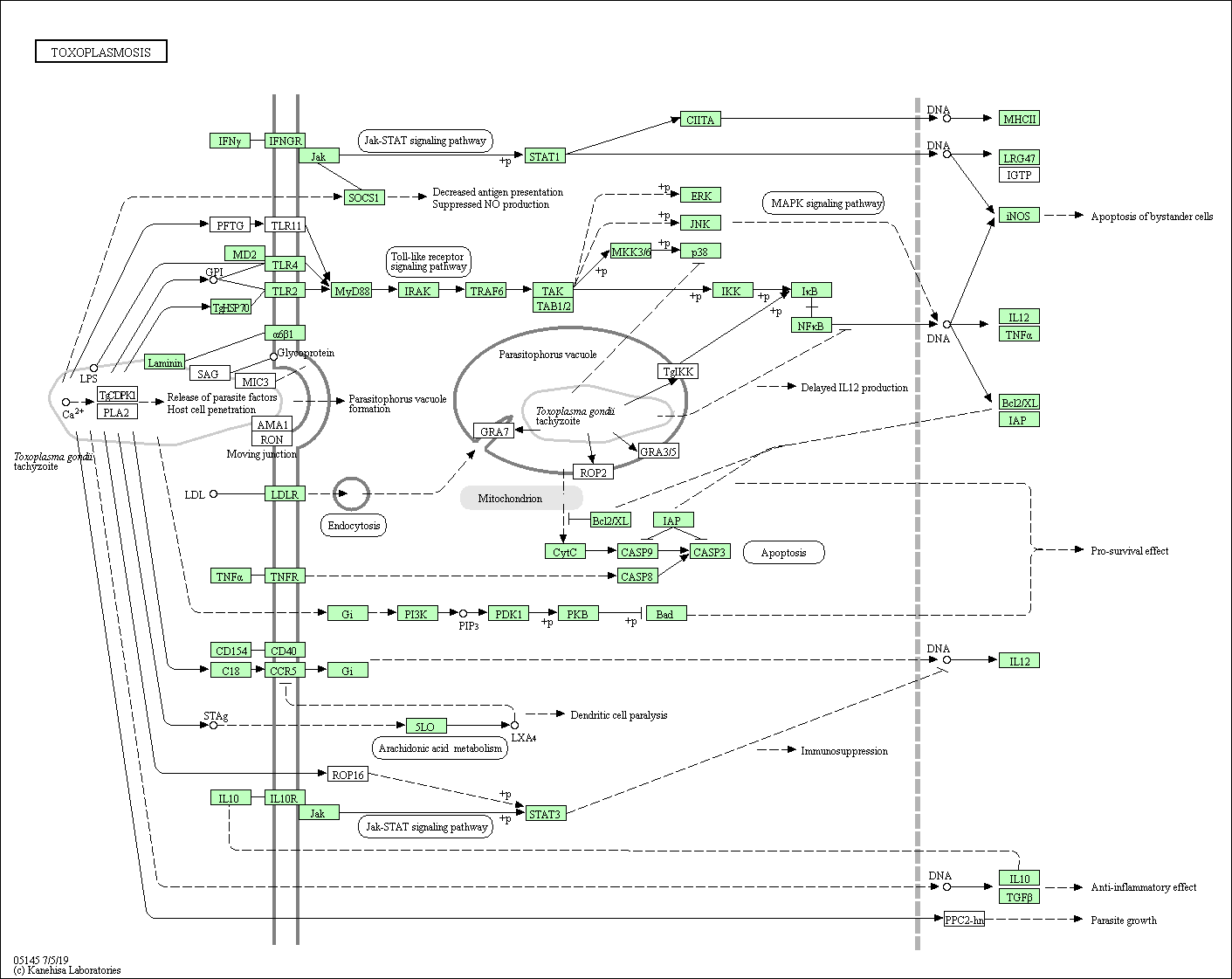
|
|||||||
| Protein processing in endoplasmic reticulum | hsa04141 |
Pathway Map 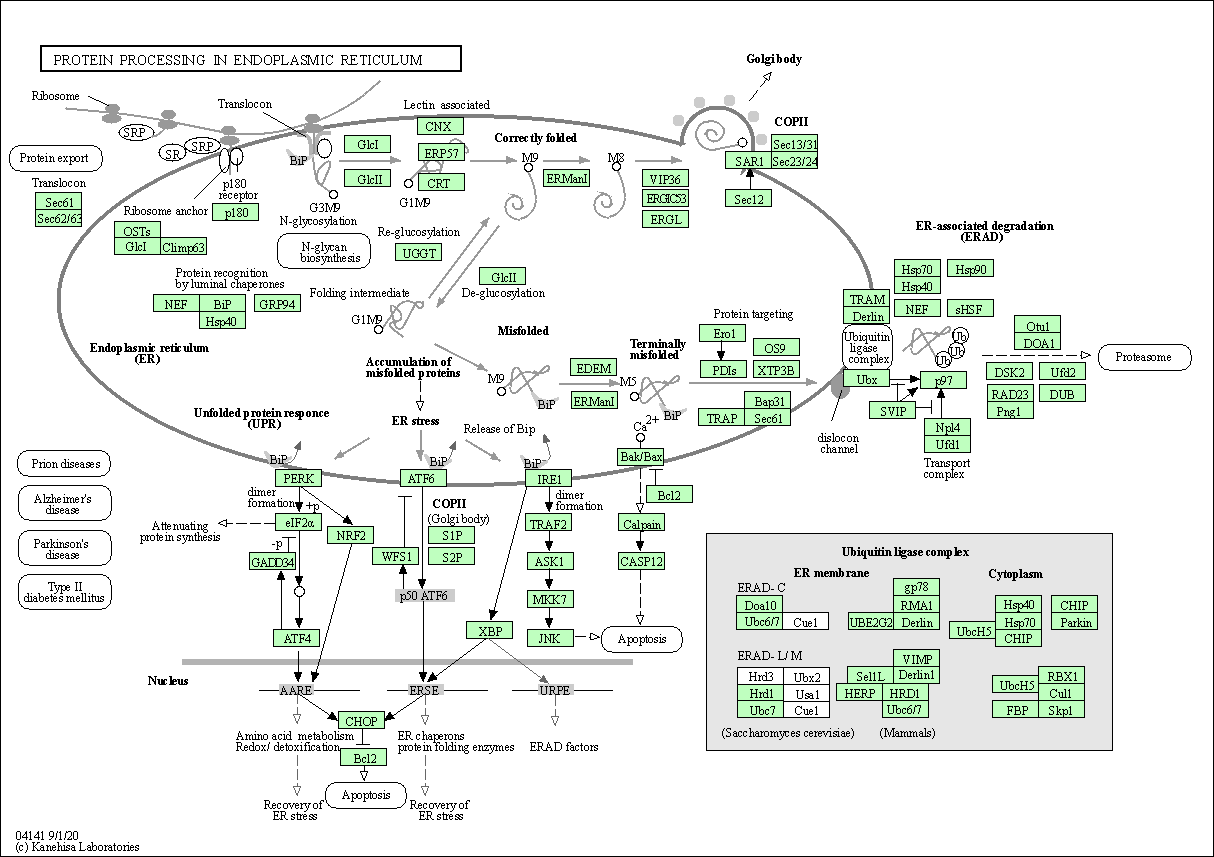
|
|||||||
| Spliceosome | hsa03040 |
Pathway Map 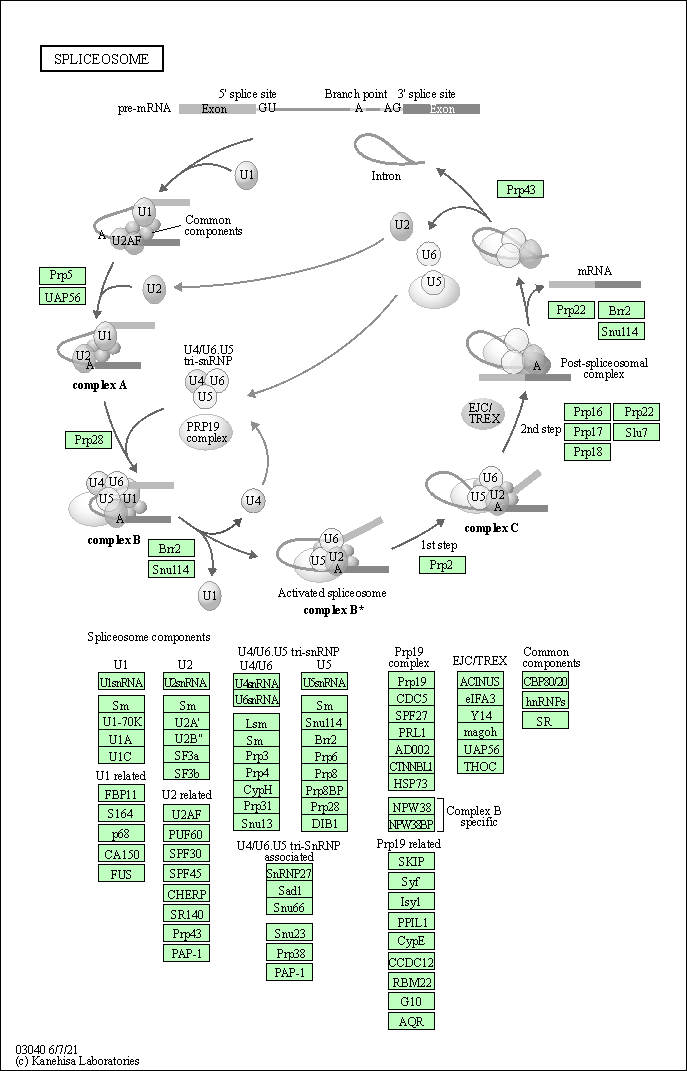
|
|||||||
| MAPK signaling pathway | hsa04010 |
Pathway Map 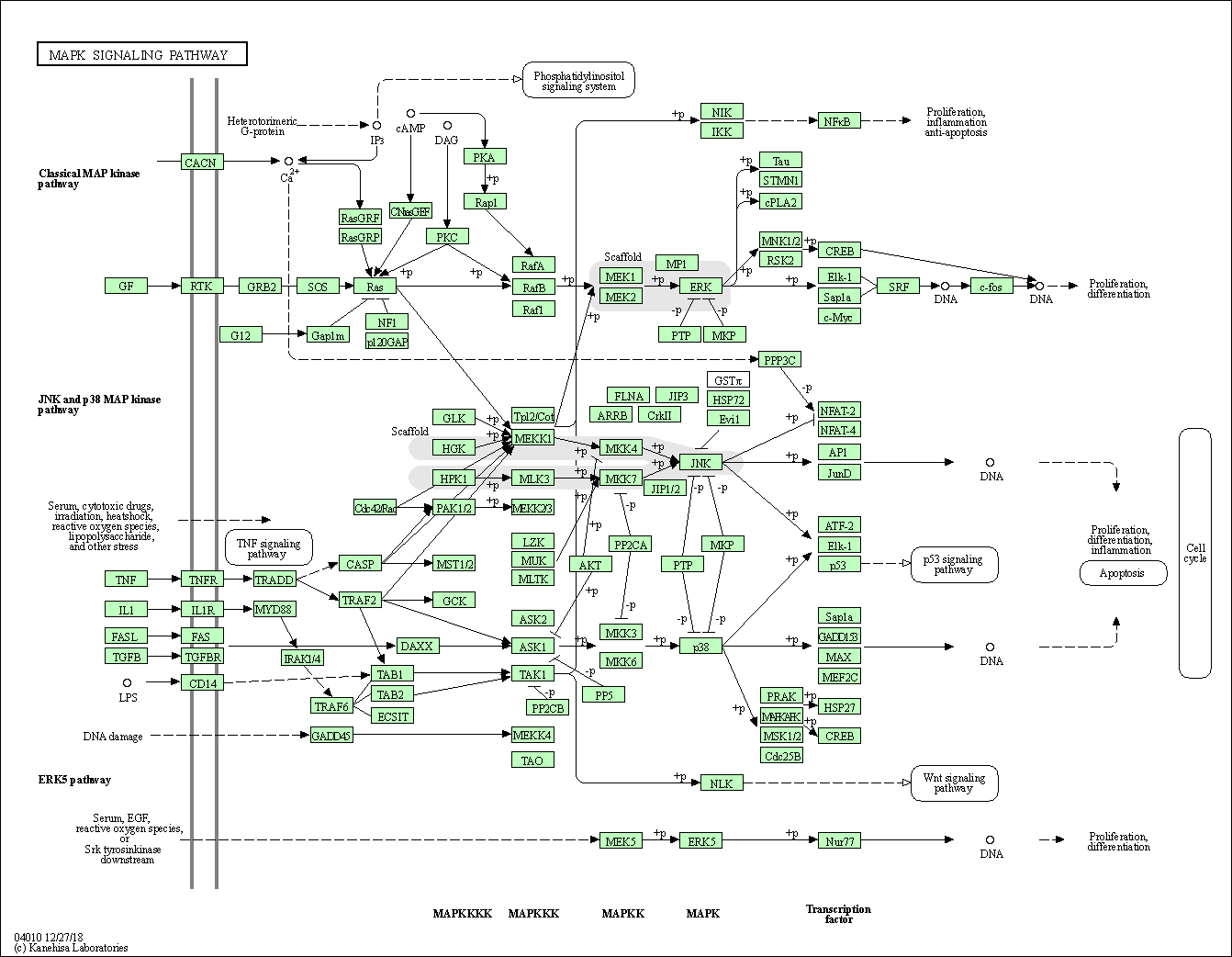
|
|||||||
| Endocytosis | hsa04144 |
Pathway Map 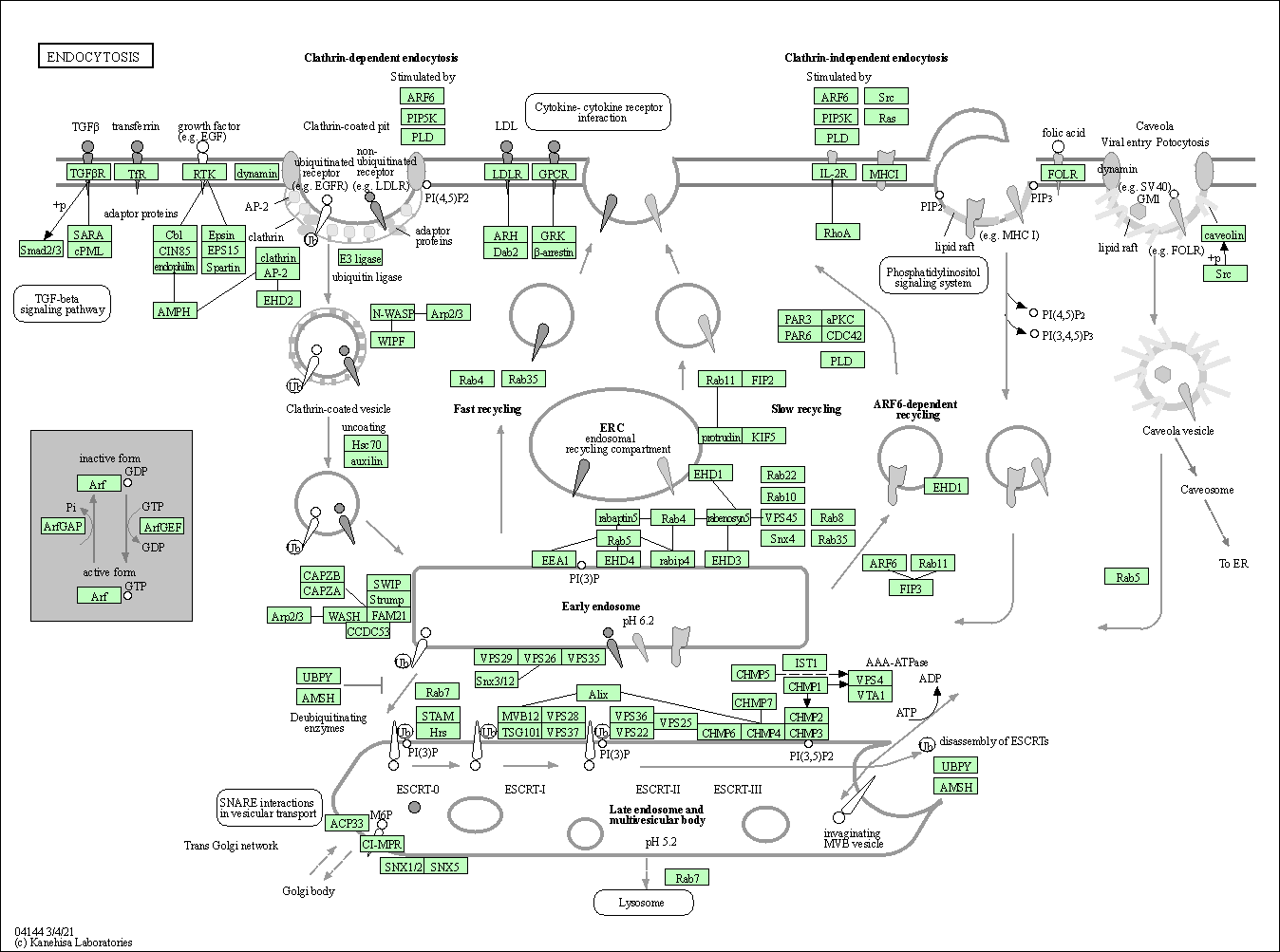
|
|||||||
| Prion disease | hsa05020 |
Pathway Map 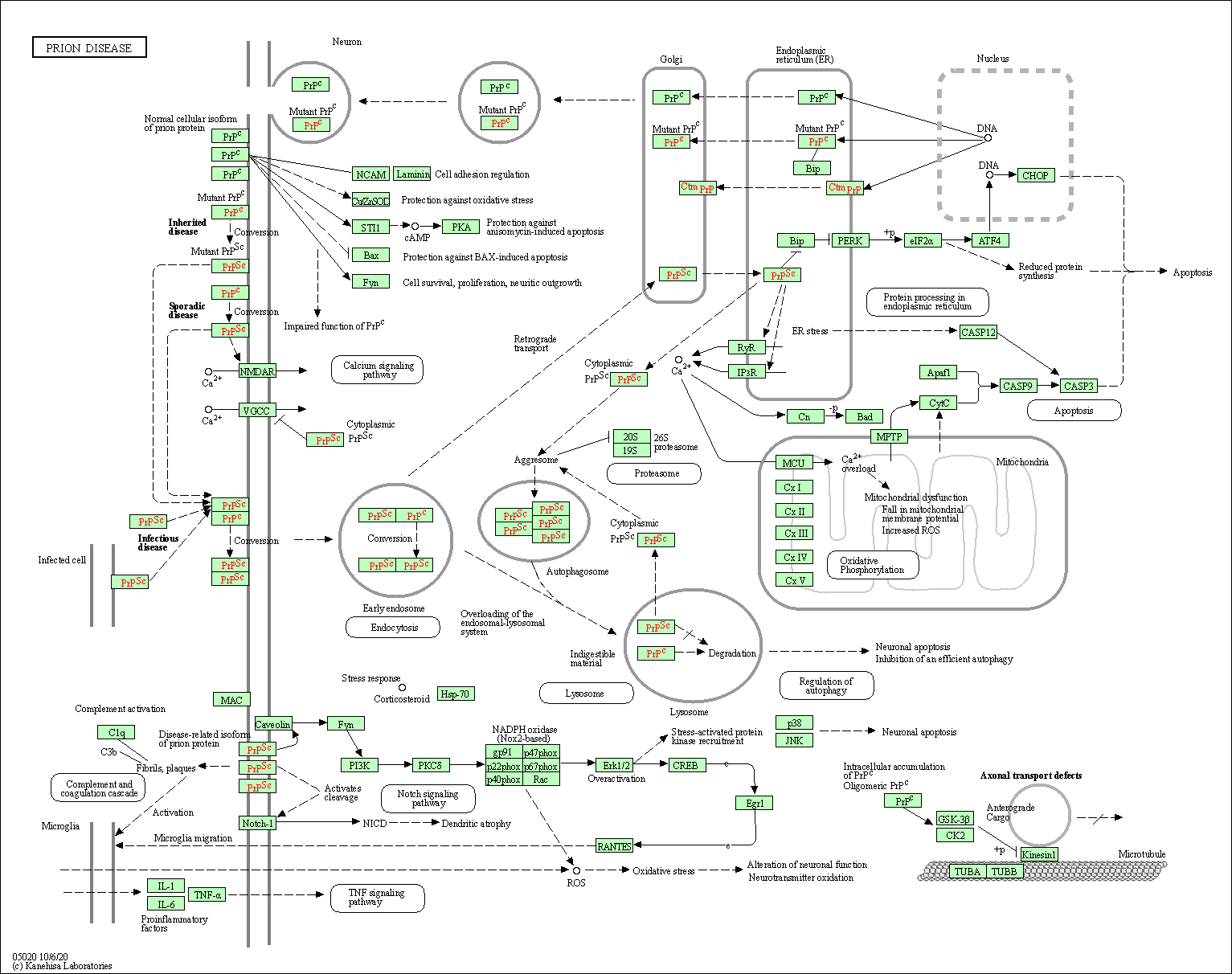
|
|||||||
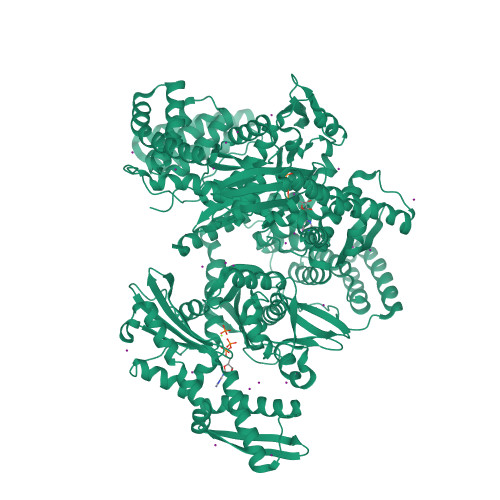
| 3D Structure |
|
||||||||
| Function of This Protein During Virus Infection | |||||||||
|---|---|---|---|---|---|---|---|---|---|
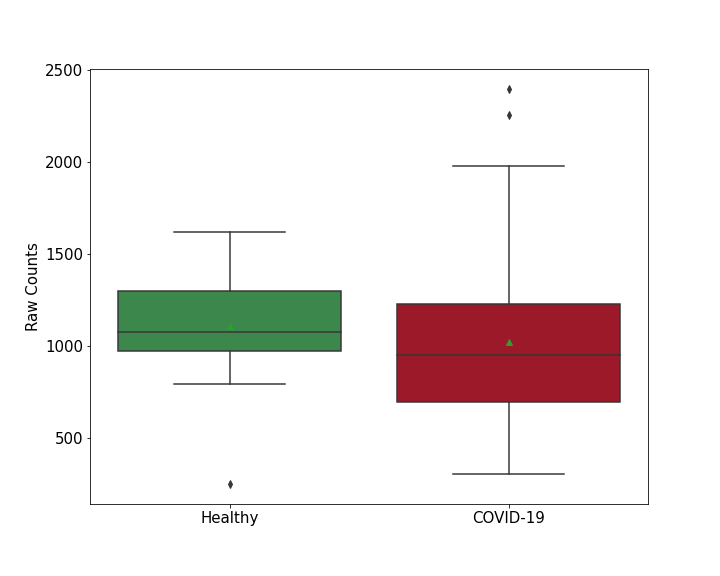
| Virus Name | SARS-COV-2 | Protein Function | Anti-viral | [4] | |||||
| Infected Tissue | Lung | Infection Time | 7-9 Days | ||||||
| Infected Cell | Calu-3 Cells (Human epithelial cell line) | Cellosaurus ID | CVCL_0609 | ||||||
| Method Description | To detect the role of host protein HSPA1B in viral infection, HSPA1B protein knockout Calu-3 Cells were infected with SARS-COV-2 for 7 - 9 Days , and the effects on infection was detected through CRISPR-based genome-wide gene-knockout screen. | ||||||||
| Results | It is reported that knockout of HSPA1B increases SARS-CoV-2 RNA levels compared with control group. | ||||||||
| Host Protein - Virus RNA Network | |||||||||
|---|---|---|---|---|---|---|---|---|---|
| Full List of Virus RNA Interacting with This Protien | |||||||||
|---|---|---|---|---|---|---|---|---|---|
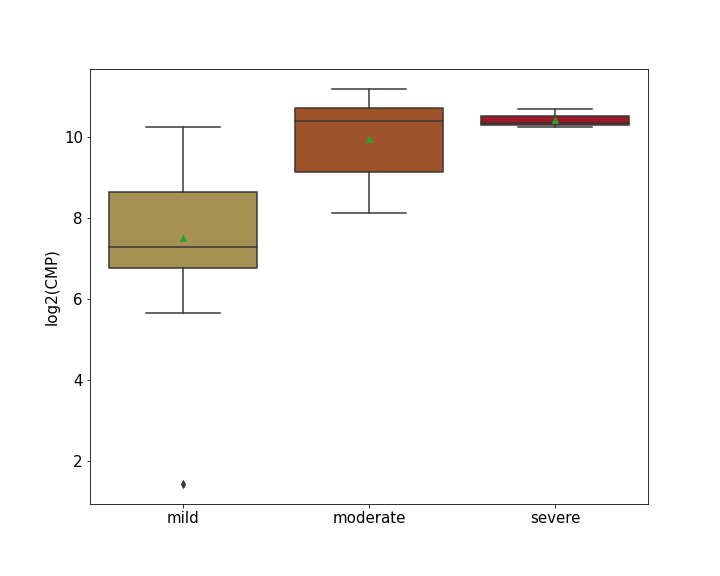
| RNA Region: ORF10 (hCoV-19/Not Specified Virus Strain ) | |||||||||
| RNA Region Details |
RNA Info
 Click to show the detail information of this RNA binding region
|
[5] | |||||||
| Strains Name |
hCoV-19/Not Specified Virus Strain
|
||||||||
| RNA Binding Region |
ORF10
|
||||||||
| Virus Name |
Severe acute respiratory syndrome coronavirus 2 (SARS-CoV-2)
|
||||||||
| Infection Cells | Calu-3 cells (Human Lung Cancer Cell) (CVCL_0609 ) | ||||||||
| Cell Originated Tissue | Liver | ||||||||
| Interaction Score | P-value < 0.05 | ||||||||
| Method Description | RNA pull-down assays; liquid chromatography with tandem mass spectrometry (LC-MS/MS); Wilcoxon test; MS2 affinity purification coupled with liquid chromatography-mass spectrometry (MAMS) | ||||||||
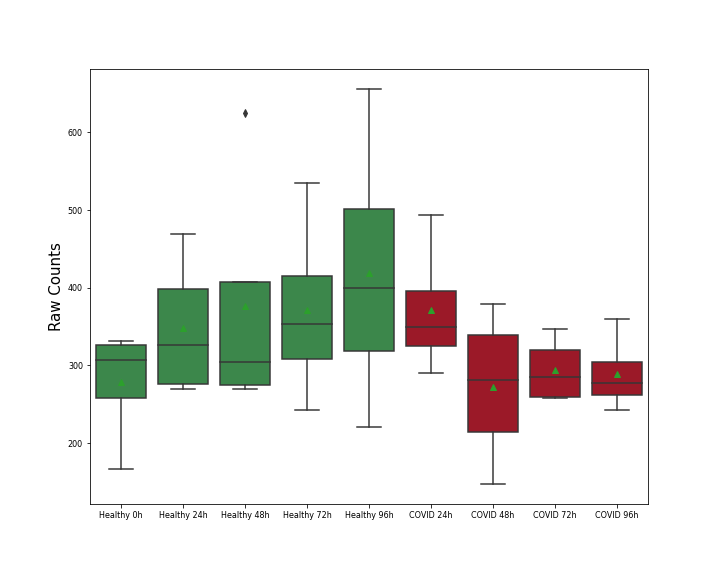
| RNA Region: Not Specified Virus Region (hCoV-19/England/02/2020 ) | |||||||||
| RNA Region Details |
RNA Info
Click to show the detail information of this RNA binding region
|
[6] | |||||||
| Strains Name |
hCoV-19/England/02/2020
|
||||||||
| Strains Family |
Beta (B.1.351)
|
||||||||
| RNA Binding Region |
Not Specified Virus Region
|
||||||||
| Virus Name |
Severe acute respiratory syndrome coronavirus 2 (SARS-CoV-2)
|
||||||||
| Infection Cells | Calu-3 cells (Human lung cancer cell) Calu-3 cells (Human lung cancer cell) (CVCL_0609 ) | ||||||||
| Cell Originated Tissue | Lung | ||||||||
| Infection Time | 24 h | ||||||||
| Interaction Score | P-adjust = 0.031 | ||||||||
| Method Description | UV protein-RNA crosslinking; RNA interactome capture (cRIC); RNA antisense purification coupled with mass spectrometry (RAP-MS) | ||||||||